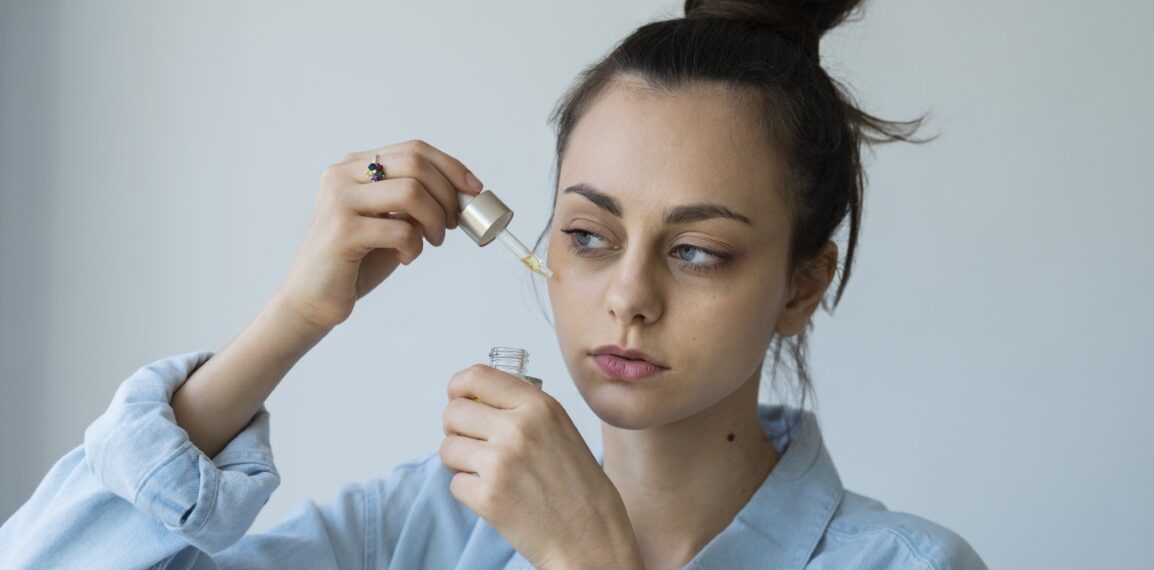
Looking beautiful is what we all desire. The importance given to skincare has increased more than ever in recent years. However, sometimes practices done in the name of beautification can jeopardize skin health. Retinol, one of the most popular ingredients of the recent era, can cause severe irritation, sensitivity, and long-term permanent problems when not used correctly.
Dermatology Specialist Dr. Merve Mercan emphasizes that retinol should actually be used under the supervision of a dermatologist, and incorrect use risks skin health.
What is Retinol?
Retinol is a derivative of Vitamin A and is known for accelerating skin renewal. It regulates cell turnover, helping to reduce the appearance of fine lines, wrinkles, and spots on the skin. Therefore, it is an indispensable ingredient in anti-aging products.
However, retinol is not suitable for every skin type. Since it is a potent active ingredient, when used at the wrong dosage or the wrong time, it can cause problems such as redness, peeling, burning sensation, and irritation on the skin.
The Difference Between Retinoids, Retinol, and Retinoic Acid
One of the terms frequently confused in the cosmetic world is “retinoid.” In fact, retinoids are a general group covering all Vitamin A derivatives. Retinol, retinaldehyde, retinyl esters, and prescription-only retinoic acid (tretinoin) are sub-forms of this group.
Dr. Merve Mercan states that commercial cosmetic products usually contain retinol, retinaldehyde, or retinyl esters. The biological activity of these compounds is lower than retinoic acids, but their likelihood of causing irritation is also lower.
Therefore, retinol in cosmetic form can support skin renewal when used correctly and consciously; however, not every product is suitable for every skin.
How and When Should Retinol Be Used?
Retinol is a compound that loses its stability when exposed to the sun. For this reason, Specialist Dr. Merve Mercan recommends that retinoids should only be used in the evening. Furthermore, because retinol increases skin sensitivity to the sun, a broad-spectrum sunscreen must be used during the day.
Initially, one can start with an intermittent frequency of use, such as twice a week. As the skin gets used to the product, the frequency of use can be gradually increased. Dr. Merve Mercan emphasizes that a pea-sized amount of the product is sufficient for the entire face.
The most suitable period for beginners is the fall and winter months. Since the effect of the sun is reduced during these seasons, the risk of skin irritation decreases. Starting retinol use in the summer months can lead to sun sensitivity and spots.
Who Can Use Retinol, and Who Should Not?
According to Dr. Merve Mercan, people without any skin disease can use dermocosmetic formulations at low doses and carefully. However, those with skin conditions such as acne or rosacea, or those with complaints like burning, stinging, or redness on their face, must consult a dermatologist.
One of the most important warnings concerns pregnancy. The harmful effects of retinoic acids on the fetus have been scientifically proven. Therefore, retinol should be absolutely not used by pregnant women.
What is the Correct Concentration?
Retinol products are known to be available in different concentrations on the market. However, Dr. Merve Mercan states that the maximum retinol concentration in cosmetic products should be 0.3%.
The retinol percentage in most products on the market ranges between 0.2% and 0.3%. It is best for beginners to start with a product containing 0.2% retinol. As the skin adapts—i.e., as symptoms like redness and peeling subside—a transition to the 0.3% concentration can be made.
This method of gradual progression facilitates the skin’s adaptation process and prevents potential irritation.
Things to Consider When Using Retinol
Although retinol is an effective active ingredient, it can be a challenging compound for sensitive skin. Therefore, special attention should be paid to certain points when using it:
- Do not neglect moisturizing: Retinol can dry the skin. Therefore, a moisturizer must be used after application.
- Do not use Vitamin C in the same routine: Vitamin C is also an active ingredient. Using both simultaneously can increase irritation. Applying Vitamin C in the morning and retinol in the evening is safer.
- Be careful around the eye area: Retinol can cause sensitivity around the eyes. Eye-specific formulas should be used for this area.
- Do not go out without sunscreen: Retinol leaves the skin vulnerable to sunlight. Using at least SPF 30 protection during the day is mandatory.
Retinol Regulation from the Ministry of Health
The increase in incorrect and uncontrolled use of retinol in cosmetic products has also drawn the attention of authorized institutions. The Ministry of Health has started efforts to limit and regulate the use of retinol raw material.
This situation indicates that retinol is not “a product everyone can use randomly.” Specialist Dr. Merve Mercan also warns about this:
“Retinol is as effective as a medicine. Therefore, the right information and the right dosage are very important.”
Retinol is Not a Miracle, But an Active Requiring Conscious Use
Retinol can create great differences in the skin when used correctly; however, when used incorrectly, it can cause irritation, spots, and even permanent damage. Therefore, as with every skincare routine, expert recommendation and careful application are essential.
Don’t compromise your health for the sake of looking beautiful. Remember: healthy skin is the most beautiful skin.